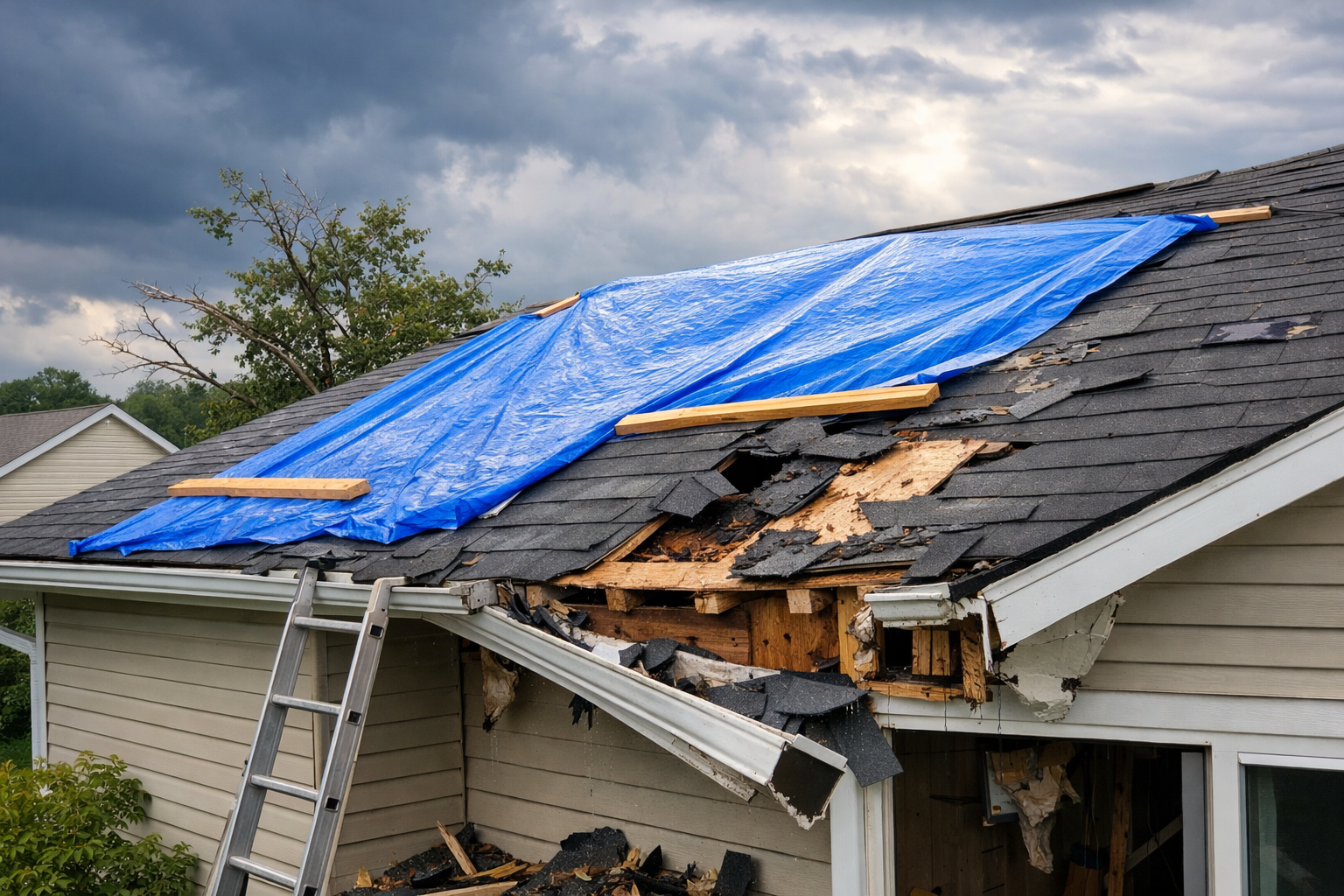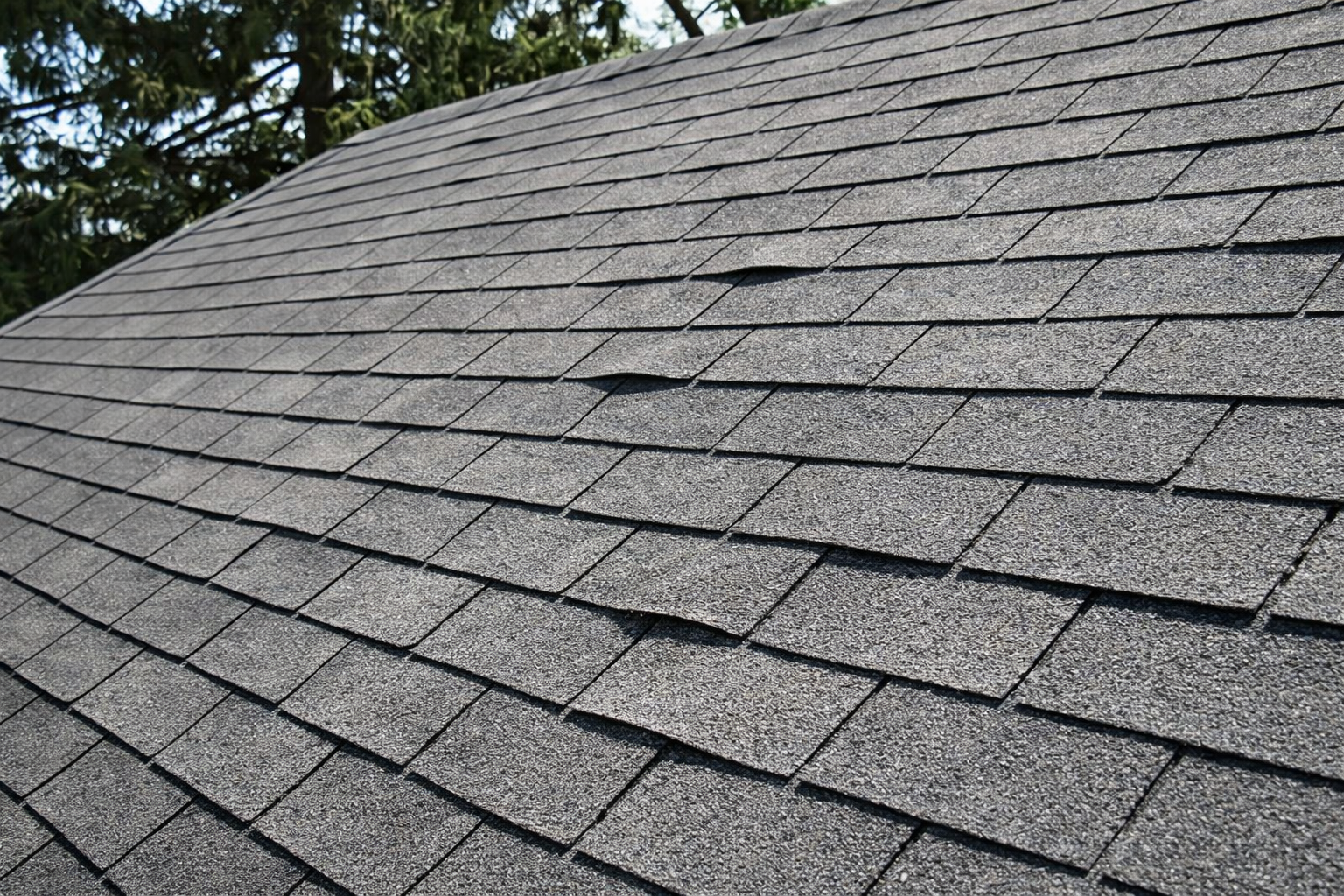
What Ogden Homeowners Need to Know About Roof Damage After a Wasatch Front Snowstorm
Heavy snow, ice dams, and freeze-thaw cycles are silently damaging Ogden roofs every winter. Here's how to spot the warning signs before a small problem becomes a big one.
Why Ogden Snowstorms Are a Roof's Worst Enemy
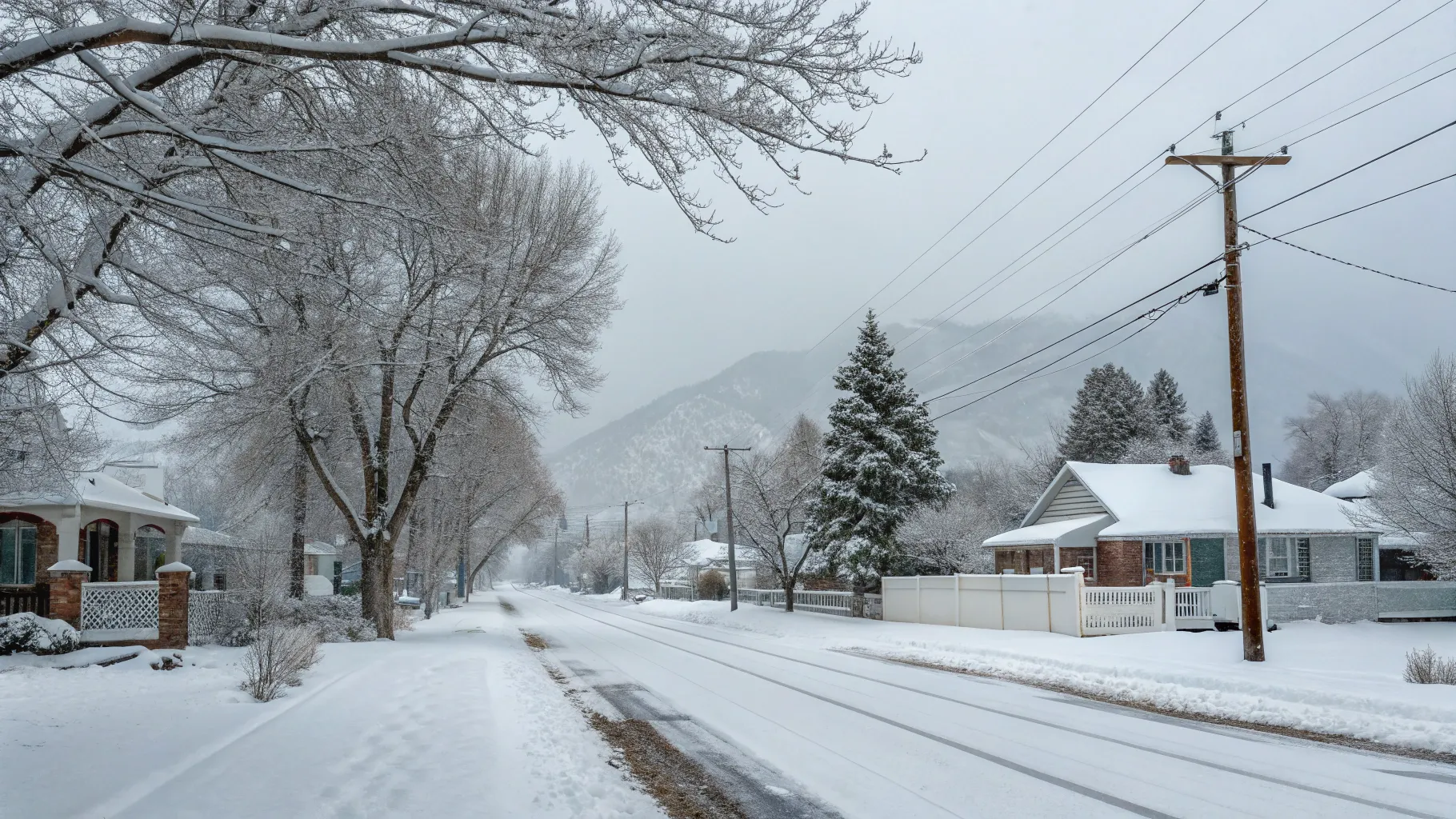
Ogden doesn't get gentle dustings. When the Wasatch Front channels a winter storm through Weber County, it can dump feet of heavy, wet snow in a matter of hours. The kind of snow that bends tree limbs, collapses carports, and — if you're not paying attention — quietly destroys your roof from the inside out.
Historically, Ogden has seen some of Utah's most intense snowfall events. A single December storm in 2001 dropped 36 inches on the city, and January 1993 holds the state record with over 50 inches in one month. These aren't once-in-a-lifetime events — they're part of living along the Wasatch Front.
The real danger isn't just the snow itself. It's the combination of heavy snow loads, ice dam formation, and relentless freeze-thaw cycling that makes Ogden winters uniquely destructive to residential roofs. Each of these problems compounds the others, and the damage often goes undetected until spring — when a small roof leak becomes a mold-infested attic or a collapsing soffit.
This guide covers exactly how each of these winter threats damages your roof, what warning signs to look for, and what you can do right now to protect your home.
Snow Load: How Much Weight Can Your Roof Handle?
Here's a number most Ogden homeowners have never thought about: one cubic foot of packed snow can weigh between 20 and 40 pounds. Wet, heavy snow — the kind Ogden gets when storms push off the Great Salt Lake — sits at the high end of that range. A foot of that wet snow across a 1,500-square-foot roof puts roughly 30,000 to 60,000 pounds of downward pressure on your structure.
Most residential roofs in Weber County are engineered to handle Utah's building code requirements for snow load, but that engineering assumes the snow is fresh, evenly distributed, and doesn't accumulate beyond design limits. Reality is different. Drifting snow piles up in valleys and against dormers. Multiple storms stack up before the first load melts. And older roofs — especially those with aging trusses or compromised decking — may not perform to their original spec.
Fresh, light powder:~5-10 lbs per cubic foot
Settled, packed snow:~15-25 lbs per cubic foot
Wet, heavy snow (common in Ogden):~20-40 lbs per cubic foot
Ice:~57 lbs per cubic foot
When packed snow sits on your roof for weeks and partially melts and refreezes, it gets denser and heavier — approaching the weight of solid ice. This is why "it's been on there all winter" is not a safe assumption.
What Excessive Snow Load Does to Your Roof
Sagging and structural stress. The first sign of trouble is visible sagging — roof ridgelines that bow, decking that dips between rafters, or interior ceilings that show new cracks or bulges. If you can see it from the ground, the structural stress has been building for a while.
Compromised connections. The weight doesn't just push down — it torques the joints where rafters meet walls and where trusses connect. Over multiple winters of heavy loading, these connections loosen, nails pull, and the roof system loses integrity even after the snow melts.
Crushed ventilation. Ridge vents, soffit vents, and gable vents can be blocked or crushed by heavy snow accumulation, choking off airflow to the attic. This creates the conditions for ice dam formation, which compounds the damage significantly.
Ice Dams: Ogden's Hidden Winter Roof Killer
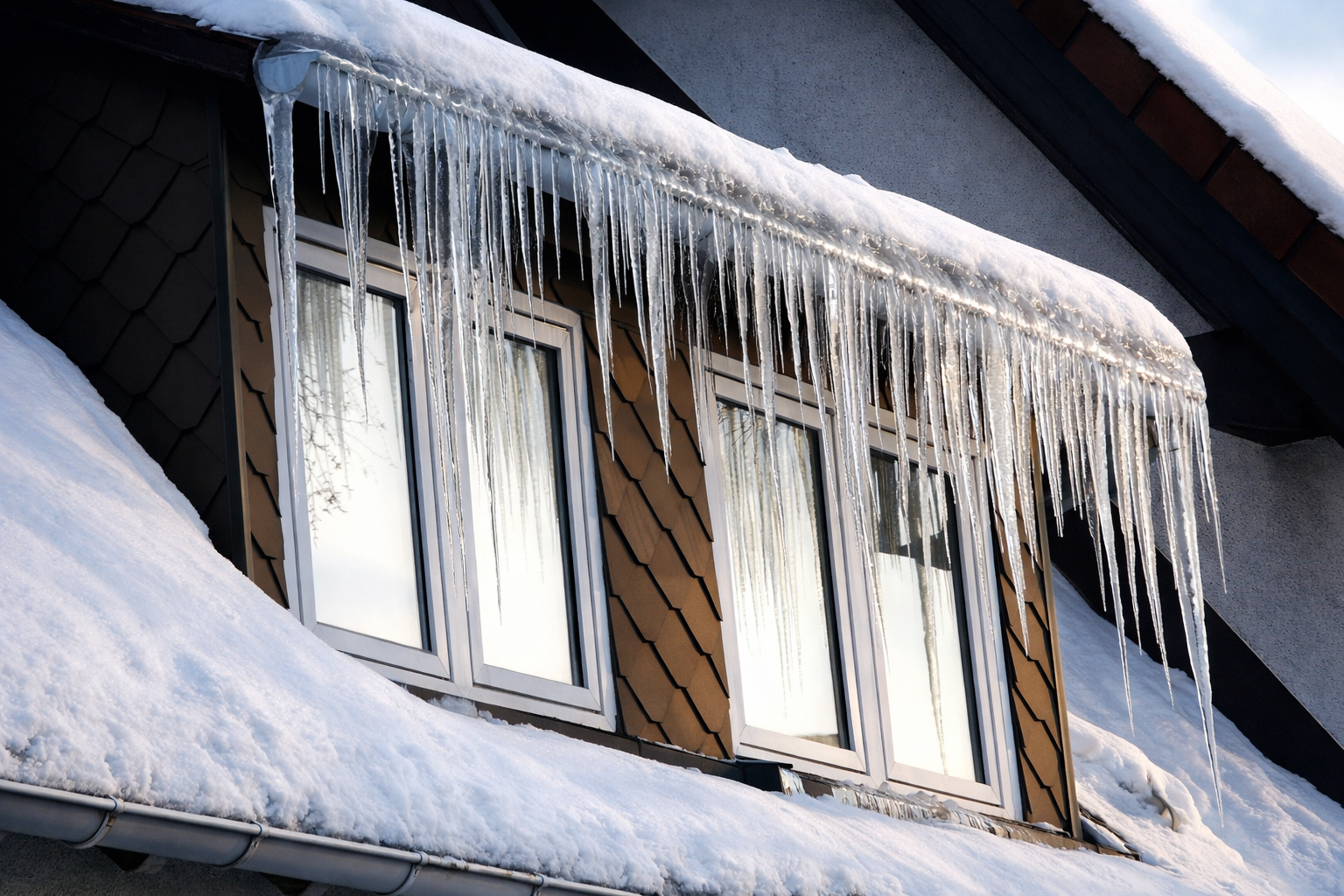
If there's one winter roof problem every Ogden homeowner needs to understand, it's ice dams. They're responsible for more hidden water damage in Weber County homes than almost any other single cause — and most people don't realize they have one until stains appear on their ceiling.
How Ice Dams Form
The process is deceptively simple. Heat from your living space rises into the attic and warms the underside of the roof deck. This melts the snow sitting on the upper portion of the roof. That meltwater flows downhill toward the eaves — the coldest part of the roof because they extend past the heated house. When the water hits the cold eaves, it refreezes, forming a thick ridge of ice along the edge.
As more snow melts behind this ice ridge, the water has nowhere to go. It pools behind the dam and backs up under the shingles, seeping into the roof deck, insulation, walls, and ceilings. This process can happen silently for weeks while snow covers the evidence.
Why Ogden Homes Are Especially Vulnerable
Ogden's daily temperature swings are extreme. It's not unusual to see 40°F during the day and 10°F at night during January and February. This constant cycle of melting and refreezing is the exact engine that builds ice dams. Homes in places with more consistent cold — where snow stays frozen on the roof — often have fewer ice dam issues than we do here along the Wasatch Front.
Many Ogden homes have inadequate attic insulation. Older homes in neighborhoods like Jefferson, East Central, and the Bonneville area were built before modern insulation standards. Heat loss through the attic is the primary driver of ice dam formation, and many of these homes are running R-19 or less when current cold-climate standards call for R-49 to R-60.
Step 1:
Heat escapes through poorly insulated attic → warms roof deck
Step 2:
Snow melts on upper roof → water flows downhill
Step 3:
Water refreezes at cold eaves → ice ridge forms
Step 4:
More meltwater pools behind the ice ridge
Step 5:
Water backs up under shingles → leaks into home
Step 6:
Damage to insulation, drywall, paint, and structure — often invisible until spring
Freeze-Thaw Cycles and What They Do to Shingles
Beyond snow load and ice dams, there's a third attacker that works slowly all winter long: freeze-thaw cycling. Ogden averages well over 100 freeze-thaw cycles per winter — days where the temperature crosses the 32°F mark in both directions. Each cycle takes a toll on your roofing materials.
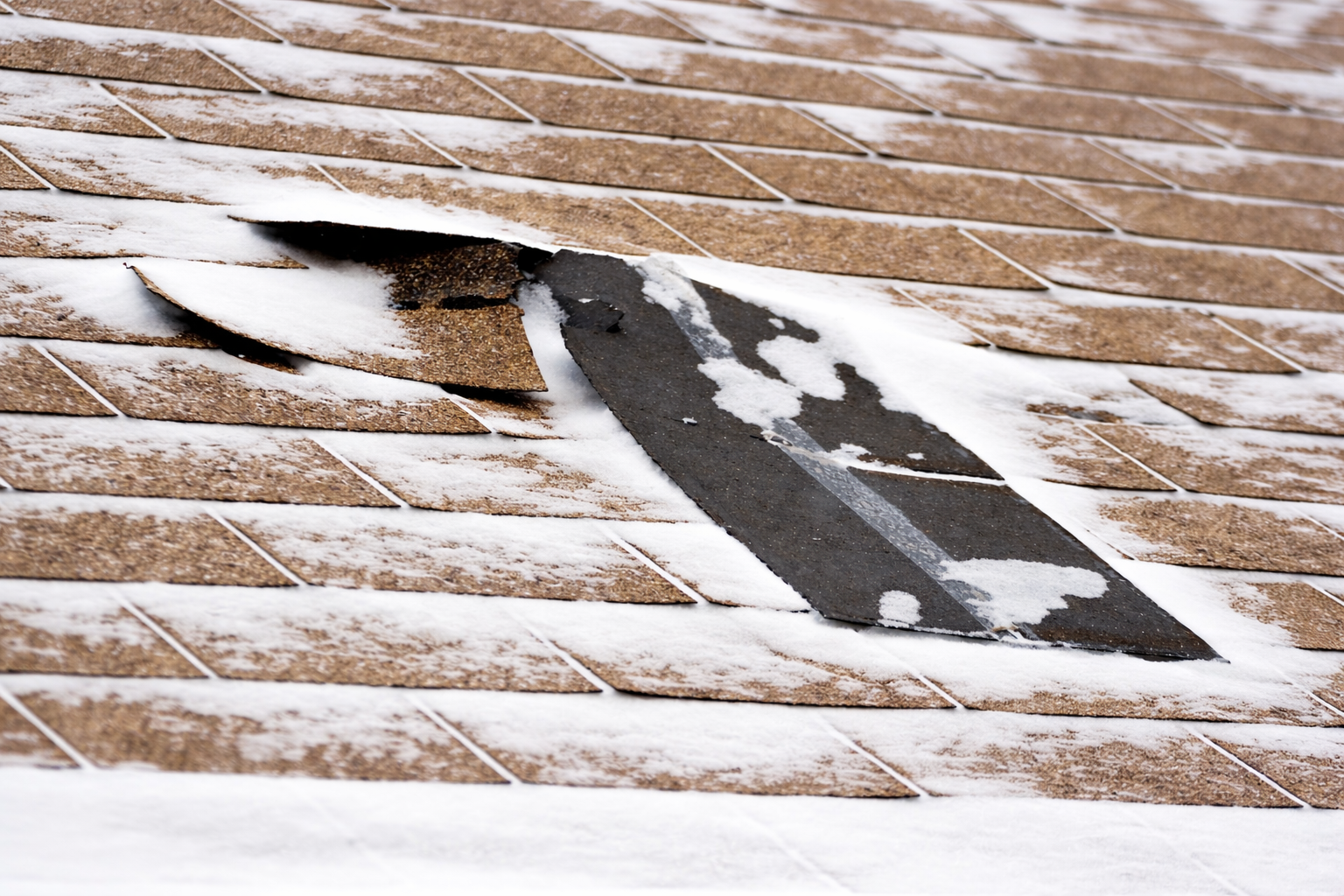
Shingle expansion and contraction. Asphalt shingles expand slightly in warmth and contract in cold. Over dozens of cycles in a single season, this repetitive flexing weakens the shingle mat, creating micro-cracks that grow larger over time. Older shingles that have already lost flexibility from UV exposure are especially vulnerable.
Moisture infiltration into cracks. When water seeps into small cracks during the warm part of the day and then freezes overnight, it expands — widening the crack. This is the same process that breaks apart concrete sidewalks and mountain boulders. On your roof, it splits shingles, lifts flashing seals, and opens gaps around vent boots and chimney bases.
Nail pops and sealant failure. The constant expansion and contraction can push roofing nails upward — a process called "nail popping." Once a nail lifts even slightly, the shingle above it is no longer secured, and water has a direct path into the deck. Similarly, the sealant strips that bond shingle tabs together can crack and fail after enough thermal cycling.
7 Warning Signs of Snow Damage on Your Ogden Roof
You don't need to climb on your roof in winter to spot problems. Here are the warning signs you can identify from inside your home and from the ground — and what each one tells you.
Call a Professional Immediately
- Visible sagging in the roofline or ceiling
- Active water dripping from ceiling or walls
- Cracking or popping sounds from the attic
- Doors or windows suddenly sticking or not closing
Schedule an Inspection Soon
- Large icicles forming along the eaves
- Water stains on ceilings or interior walls
- Damp or musty smell in the attic
| Warning Sign | What It Means | Likely Cause |
|---|---|---|
| Roof sagging | Structural overload — possible truss or rafter failure | Excessive snow load |
| Active water leaks | Water is penetrating the roof system right now | Ice dam backup or flashing failure |
| Large icicles at eaves | Ice dam is likely forming behind them | Heat loss / poor attic insulation |
| Ceiling stains | Water has already reached the interior | Ice dam, cracked flashing, or nail pop |
| Musty attic smell | Moisture is trapped — mold risk | Poor ventilation + trapped meltwater |
| Cracking sounds | Structure is under stress from weight | Snow/ice load exceeding capacity |
| Doors/windows sticking | Framing is shifting under load | Severe structural stress |
Winter Roof Protection: What You Can Do Now
The best time to protect your Ogden roof from winter damage is before the first storm. But even mid-season, there are practical steps you can take.
Before Winter
Get a professional roof inspection in the fall. A licensed roofer can identify weak points — cracked flashing, worn shingles, compromised seals around vents — before snow covers them up and turns small problems into expensive ones.
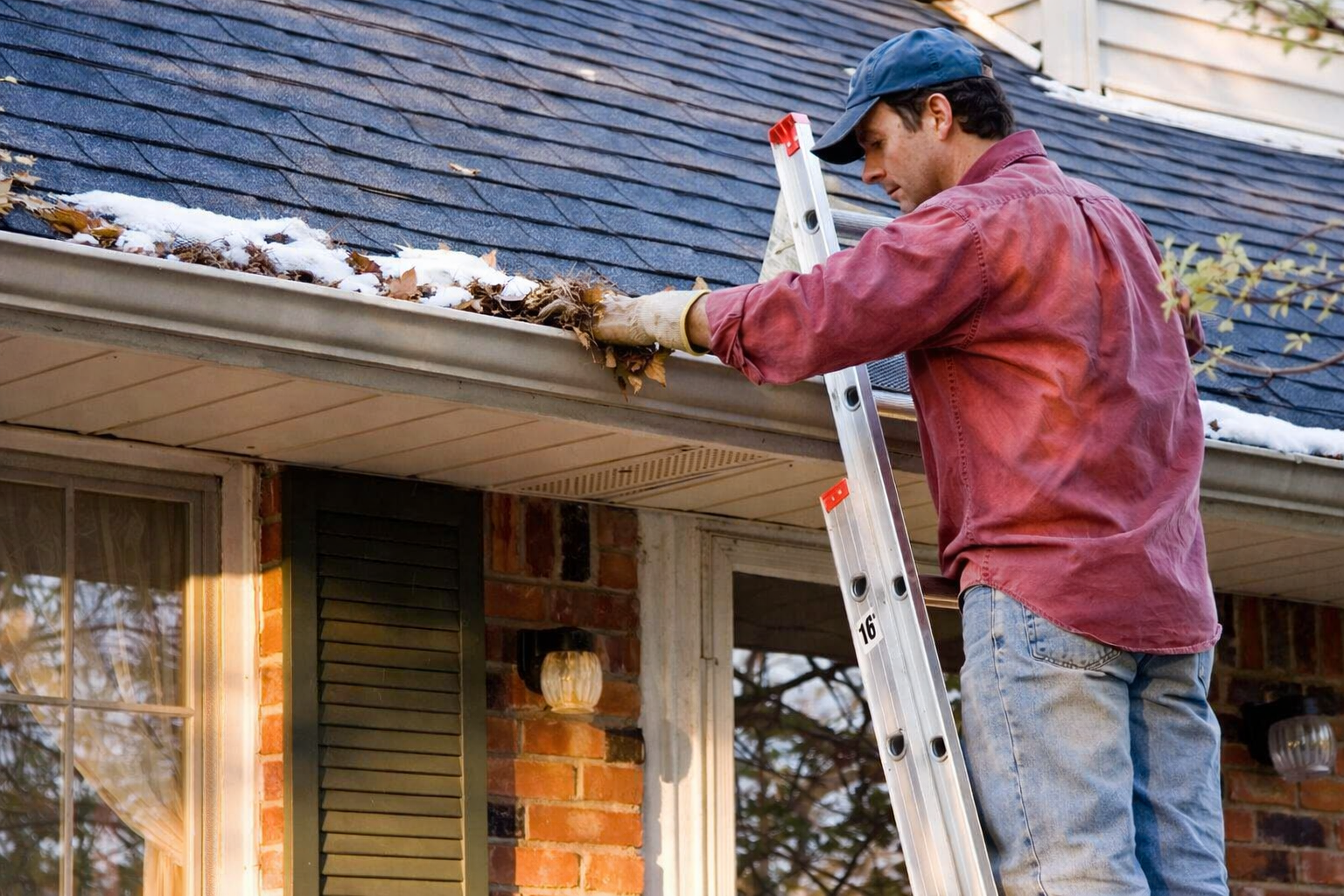
Clean your gutters. Clogged gutters are a direct contributor to ice dam formation. When meltwater can't drain, it backs up and refreezes at the eaves. Clear gutters in late fall after the leaves have dropped.
Check your attic insulation and ventilation. This is the single most effective way to prevent ice dams. Make sure insulation meets current standards (R-49 to R-60 for cold climates) and that soffit and ridge vents are clear and functioning. Proper attic ventilation keeps the roof deck cold, which prevents uneven snowmelt.
During Winter
Use a roof rake after heavy storms. A roof rake with an extendable handle lets you safely pull snow off the first 3-4 feet of roof edge from the ground. This is the zone where ice dams form. Removing snow from this area disrupts the melt-refreeze cycle. Never climb onto a snow-covered roof.
Monitor your attic. After heavy snowfalls, check your attic for signs of moisture — damp insulation, water droplets on rafters, frost on the underside of the roof deck. Catching a leak early can prevent thousands in damage.
Never chip ice off your roof. It's tempting, but hammering or chipping at ice dams damages shingles and can puncture the roof membrane. If you have an active ice dam, use calcium chloride in a stocking laid across the dam to create a drainage channel — never rock salt, which corrodes metal and kills landscaping.
Small icicles along the eaves after a storm are generally normal. But if you see thick, heavy icicles forming in a continuous wall along the roofline — especially if they're growing wider at the base — that's a strong indicator that an ice dam is building behind them. The bigger the icicles, the bigger the dam, and the higher the risk of water backing up under your shingles. Call a professional before the damage starts.
Does Insurance Cover Snowstorm Roof Damage?
The short answer: it depends on the type of damage and how it happened.
Covered (typically): Sudden, weather-related damage — like a roof collapsing under the weight of an extreme snowstorm, or water damage from an ice dam that forms during a severe weather event. These fall under the "sudden and accidental" coverage in most Utah homeowner's policies.
Not covered (typically): Damage from deferred maintenance, gradual deterioration, or problems that could have been prevented. If your insurer determines that the ice dam formed because of inadequate attic insulation — a maintenance issue — they may deny the claim. Similarly, a slow leak that went unaddressed for months won't be treated the same as sudden storm damage.
This gray area is exactly where having a roofing contractor who specializes in insurance claims becomes critical. They can document that the damage was storm-related, separate it from pre-existing conditions, and present the evidence the adjuster needs to approve your claim.

Many Ogden homeowners make the mistake of waiting until the snow melts to inspect their roof. By then, water damage from ice dams has been soaking into the attic for months — turning a claimable storm event into a "maintenance failure" in the eyes of your insurer. If you suspect winter damage, document it and call a professional now, even if there's still snow on the ground. Establishing the timeline is crucial for your claim.
Frequently Asked Questions
Worried About Winter Damage on Your Ogden Roof?
Don't wait for the spring thaw to discover what this winter did to your roof. Our licensed inspectors identify snow load damage, ice dam evidence, and hidden leaks — and guide you through the insurance process.
Licensed & Insured in Utah • Insurance Claims Specialists • Serving Ogden, South Ogden, Roy, Layton & Weber County